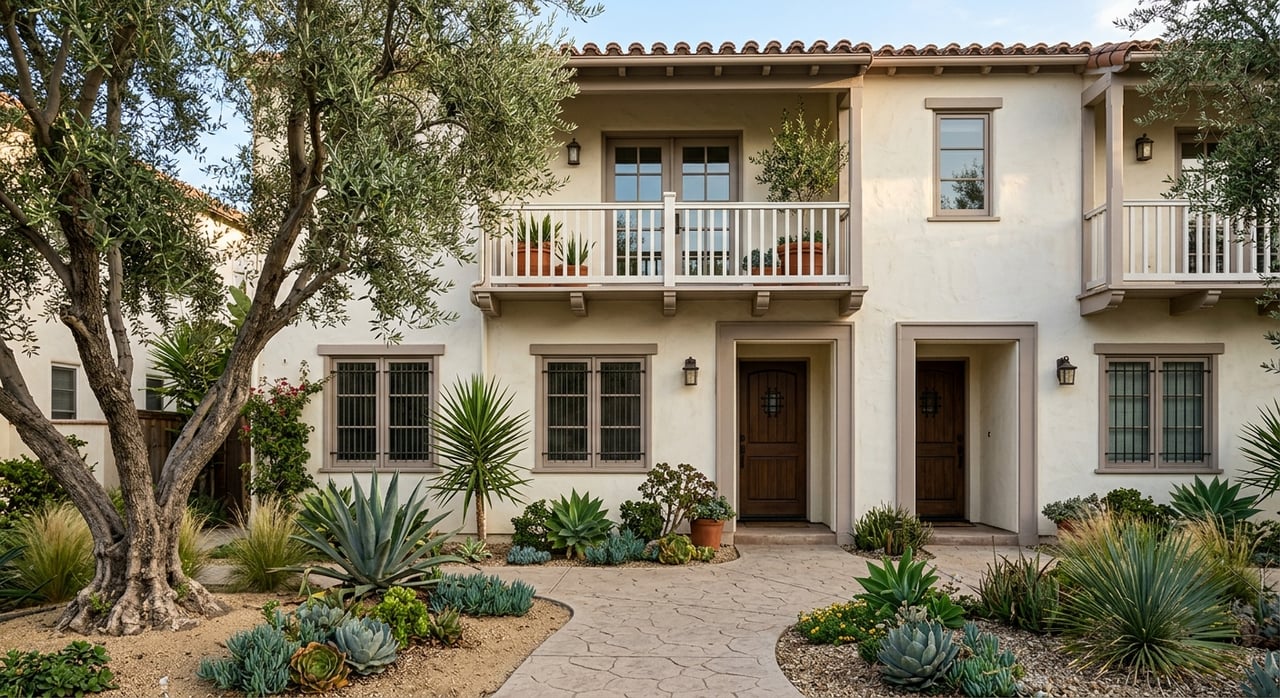
Are you trying to decide whether a condo or a house makes more sense in Rancho Cucamonga? It is a common question, especially when prices, upkeep, and lifestyle needs can point you in different directions. The good news is that the right choice usually becomes clearer when you compare total cost, maintenance, and day-to-day living side by side. Let’s dive in.
Rancho Cucamonga Price Difference
In Rancho Cucamonga, condos usually offer a lower entry price than detached houses. As of early July 2026, local market data shows a citywide median sale price of about $765,000 over the last three months, while local condo inventory has been listed at notably lower median price points.
Current examples help show the gap. Condo listings in Rancho Cucamonga have included homes around $315,000, $425,000, $509,800, and $575,888. Detached-home examples in the same market have included homes around $750,000, $758,000, $800,000, and $999,998, with some 91739 properties ranging well above that.
The practical takeaway is simple. If your top priority is getting into Rancho Cucamonga at a lower price point, a condo may give you more accessible options. If you want more square footage, lot space, and a wider range of home sizes, houses usually offer that, but at a higher purchase price.
Lifestyle in Rancho Cucamonga
Rancho Cucamonga offers a mix of suburban living and convenience, with mountain views, parks, trails, and destinations like Victoria Gardens. That matters because your housing choice is not only about the property itself. It is also about how you want to spend your time.
A condo may fit well if you like a more lock-and-leave lifestyle. Many condo communities offer shared amenities and reduce the amount of exterior upkeep you handle yourself. In some local examples, communities include features like pools, spas, gyms, tennis courts, clubhouses, BBQ areas, and landscaped common space.
A house may fit better if you want more privacy and more control over your outdoor space. Detached homes generally make it easier to enjoy a yard, garden, pets, or outdoor entertaining. They also tend to offer more variation in lot size and home scale, from smaller single-story homes to larger foothill properties.
Maintenance Responsibilities Compared
One of the biggest differences between condos and houses is who handles what. In a condo or other common-interest community, maintenance is shared between you and the homeowners association, often called the HOA.
Under California Civil Code 4775, the HOA is generally responsible for repairing, replacing, and maintaining common areas. The unit owner is generally responsible for the separate interest, and unless the governing documents say otherwise, the owner typically maintains exclusive-use common areas while the HOA handles their repair and replacement. Features like patios, balconies, and parking spaces are often treated as exclusive-use common area.
That shared structure can feel convenient, but it comes with rules and costs. With a detached house, you usually manage more of the property directly. That can include the roof, gutters, exterior paint, caulking, foundation areas, walkways, and window and door seals, along with general yard and exterior upkeep.
Monthly Costs Matter More Than Price Alone
It is easy to focus on the purchase price, but your monthly carrying cost often tells the fuller story. A condo may cost less up front, yet the HOA fee can significantly change your monthly budget.
Condo or HOA fees are usually paid directly to the association, not through your mortgage servicer. Those fees can range from a few hundred dollars per month to more than $1,000, and they often help cover items like exterior and common-area repairs, water, sewer, trash, insurance, and reserve contributions.
A house may not have an HOA, but that does not mean it is automatically free of extra ongoing costs. In Rancho Cucamonga, some properties are part of special districts such as Community Facilities Districts, Landscape Maintenance Districts, and Street Light Maintenance Districts. The city states that these assessments appear as line items on property tax bills, so it is important to review a property’s full cost structure before you decide.
Condo Financing Has Extra Layers
If you are buying a condo, your lender is often reviewing more than just your personal finances. Condo purchases can involve project-level review, which adds another layer to your due diligence.
Lenders may evaluate the condo project’s physical condition, financial stability, insurance, structural-related debt, lawsuits, and required inspections. They also review whether there are unresolved critical repairs, significant deferred maintenance, or special assessments that could affect financing eligibility.
This does not mean condo financing is out of reach. It simply means condo buyers should ask sharper questions early in the process so there are fewer surprises later.
Questions to Ask Before Buying a Condo
Before you make an offer on a condo in Rancho Cucamonga, it helps to get clear answers on the community itself, not just the unit. A lower price can be attractive, but the details behind the HOA can shape your real costs and your overall ownership experience.
Ask questions like these:
- What is included in the HOA fee?
- How large is the reserve fund?
- Are any special assessments pending?
- What does the master insurance policy cover?
- Is parking assigned?
- Is the community renter-friendly?
These questions can help you compare one condo community to another in a more practical way. They can also help you understand whether the lower entry price still makes sense once you factor in dues, rules, and possible future costs.
Houses Offer More Control
For many buyers, the biggest appeal of a house is control. You generally have more say over how you use the property, how you maintain it, and how you plan for future projects.
That autonomy comes with responsibility. When something needs attention, you are usually the one arranging repairs and paying for them directly. Still, many buyers see that tradeoff as worth it because they value more privacy, more outdoor space, and fewer shared governance issues.
In Rancho Cucamonga, this can be especially appealing if you want a broader range of home styles and lot sizes. The local market includes everything from more modest detached homes to larger properties with a higher price ceiling.
A Note on Townhomes
If you are comparing property types, it is worth knowing that a townhouse is not a separate legal ownership category in California. According to the California Department of Real Estate, townhome describes an architectural style, not a legal form of ownership.
That means a property that looks like a townhome may legally be a condo, a planned development, or another type of common-interest property. Before you move forward, make sure you review the deed and CC&Rs so you understand exactly what you are buying and what rules or obligations come with it.
Which Option Fits You Best?
A condo may be the better fit if you want a lower purchase price, shared amenities, and less exterior upkeep. You may also be comfortable with HOA dues and association rules if that tradeoff supports your lifestyle and budget.
A house may be the better fit if you want more privacy, a yard, and greater control over the property. You may also be more comfortable taking on direct maintenance and a higher purchase price in exchange for added space and flexibility.
In Rancho Cucamonga, the smartest comparison is not just condo versus house. It is total monthly cost, maintenance responsibility, financing complexity, and the kind of daily life you want to enjoy.
Whether you are buying your first place, moving up, or relocating within the Inland Empire, having local guidance can make the decision much easier. If you want help comparing Rancho Cucamonga condos and houses based on your budget, goals, and preferred lifestyle, connect with Gregory Shipp.
FAQs
What is the main price difference between condos and houses in Rancho Cucamonga?
- Condos in Rancho Cucamonga generally offer a lower entry price, while detached houses usually cost more but provide more space, lot size, and price-range variety.
What do HOA fees usually cover in Rancho Cucamonga condo communities?
- HOA fees often help cover exterior and common-area maintenance, and may also include items such as water, sewer, trash, insurance, and reserve contributions, depending on the community.
Are houses in Rancho Cucamonga free from extra property-related fees?
- Not always. Some Rancho Cucamonga homes are located in special districts, and related assessments can appear as line items on the property tax bill.
Why is buying a condo in Rancho Cucamonga sometimes more complex than buying a house?
- Condo purchases can involve lender review of the entire project, including the community’s financial stability, insurance, repairs, inspections, and any special assessments.
What should you ask before buying a condo in Rancho Cucamonga?
- You should ask what the HOA fee includes, whether special assessments are pending, how strong the reserve fund is, what the master insurance covers, whether parking is assigned, and how the community handles rentals.
Is a townhouse the same as a condo in Rancho Cucamonga?
- Not necessarily. In California, townhouse refers to an architectural style, so you should confirm the legal ownership structure by reviewing the deed and CC&Rs.