Two years ago, a Rancho Cucamonga seller could hand a buyer a stack of inspection findings and shrug. Multiple offers papered over almost anything. That market is gone. Homes now sit for a median of 49 days in the Q2 2026 snapshot from Ward & Thomas Group, and Orchard's 30 day window shows roughly a third of active listings taking a price cut, up nearly 13 points from the same period last year. The gap between a well-prepped listing and an average one is no longer cosmetic. It shows up in the negotiation memo after the inspection.
This is a piece about what the inspector actually writes down when they visit a typical Rancho Cucamonga home, and how to resolve those items before they turn into leverage on the other side of the table.
The Number That Reframes The Prep Conversation
The median sale price in Rancho Cucamonga was $785,000 in the Q2 2026 Ward & Thomas snapshot, with sale-to-list ratios hovering near 98 to 99 percent depending on the source. On paper that sounds strong. The friction is buried in the tail: 34 percent of listings took at least one price reduction in the last 30 days per Orchard, and Redfin's three month window shows homes taking 41 days to sell against 33 a year earlier.
A price reduction after week three is almost never about the initial list price. It is about a buyer's inspection report landing on a Tuesday, the request for repair credits coming in Thursday, and the seller choosing between a $12,000 credit and a $20,000 price drop to reset the listing. In a balanced market, that math runs through the roof first, the drainage second, and the stucco third.
Where Inspectors Spend Their Time On A Rancho Cucamonga Home
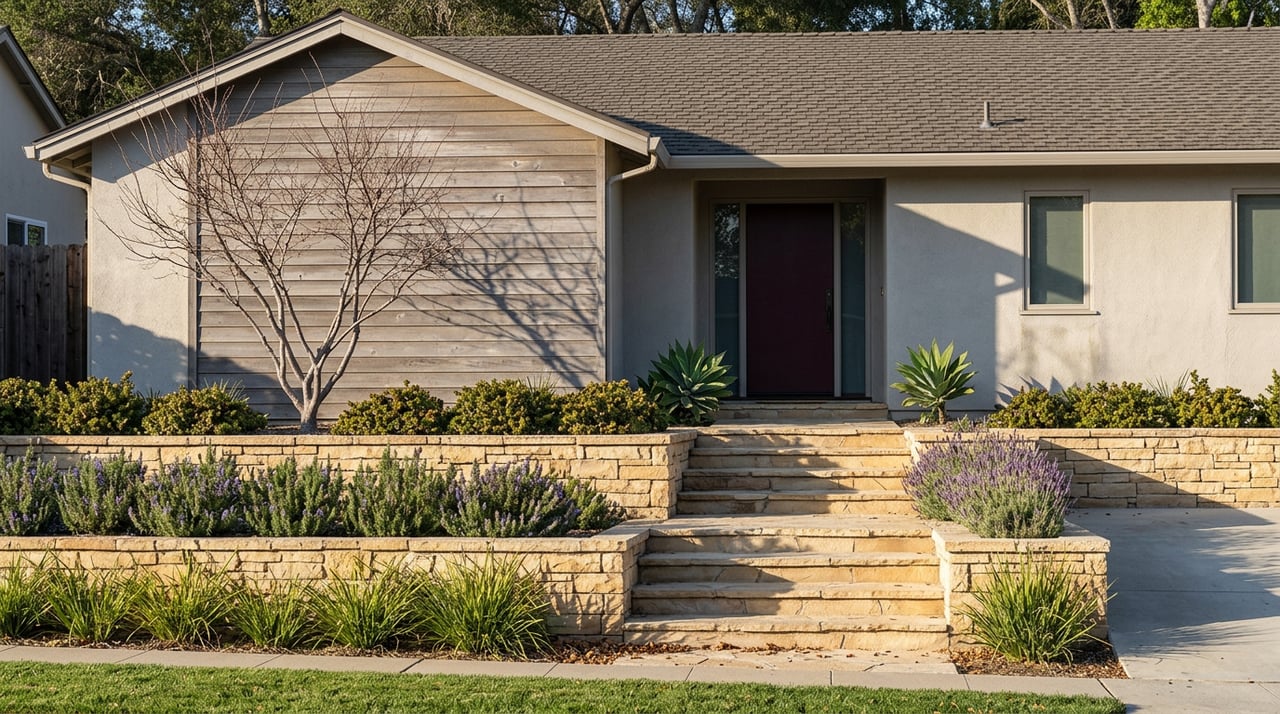
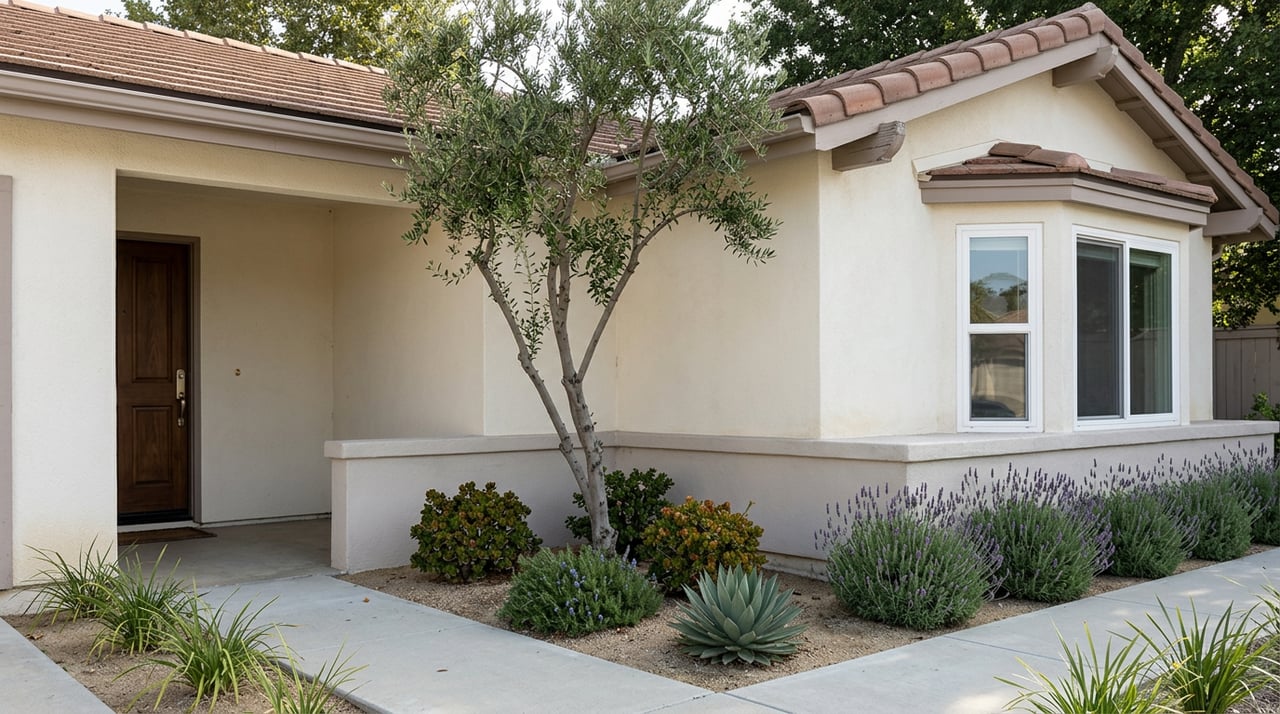
The dominant housing stock here is stucco with clay or concrete tile, on slab, built roughly between the mid-1980s and mid-2000s. That construction envelope generates a predictable set of findings. Understanding which findings are cosmetic and which are structural is where valuation experience matters.
Tile Roofs And The Underlayment Nobody Sees
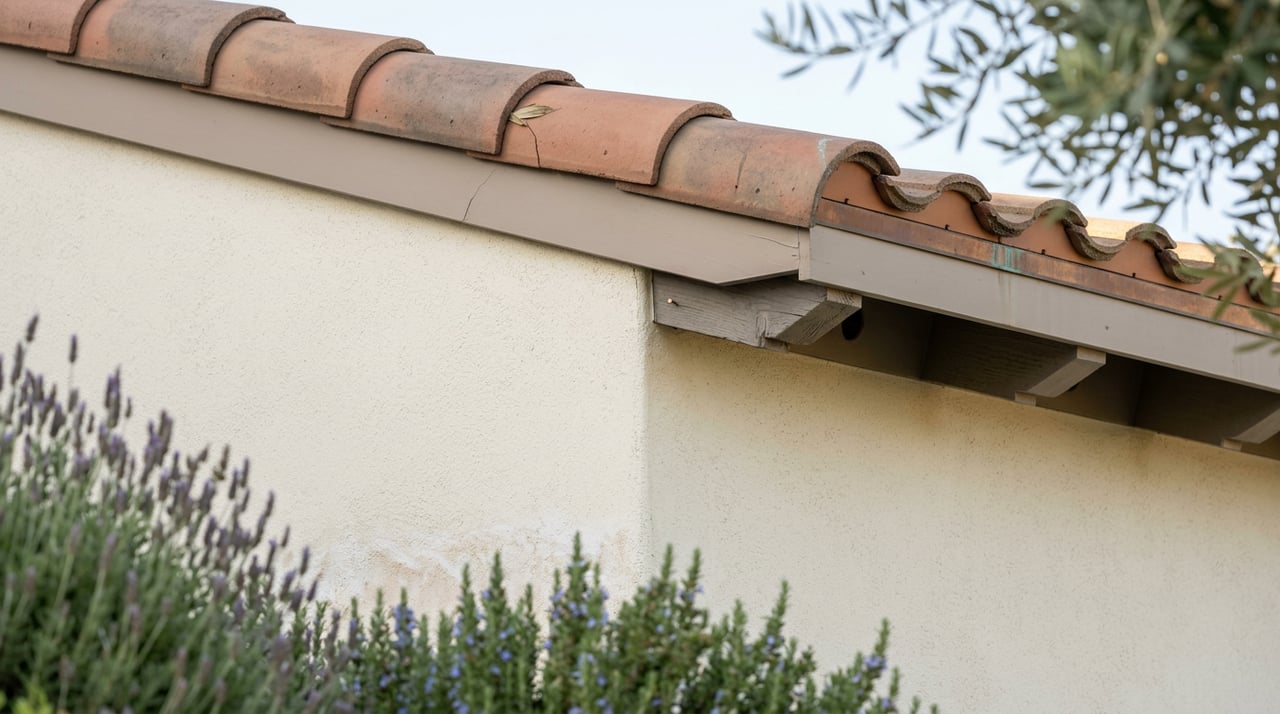
Clay and concrete tile are the signature of the neighborhood, and both roofing systems fail the same way. The tile itself lasts decades. The felt underlayment beneath it does not. Cert-A-Roof notes that Santa Ana winds pushing 40 miles per hour, combined with intense sun on any exposed area where a tile has cracked or slipped, degrade the underlayment long before the tile shows visible damage. CRT Roofing describes the same pattern in different words: thermal expansion loosens tiles, fasteners fatigue, and water finds the felt.
An inspector cannot always see this from a ladder. What they can see, and what they will write into the report, is any of the following: slipped or cracked tiles at hips and ridges, debris in valleys, exposed nail heads on flashings, and staining at eaves that suggests water has been tracking behind the fascia. Each of those items reads as "recommend evaluation by licensed roofing contractor," which is inspector shorthand for a buyer credit request.
The pre-listing move is a roof certification, not a roof replacement. Rocket Roofing offers a two year roof certification starting around $165, and Alpha & Omega Roofing and Espinoza Roofing offer comparable inspection and repair packages. A certification with any minor tile realignment and flashing seal work resolved before listing turns a five figure negotiation point into a three figure line item on the seller disclosures.
Stucco That Tells On The Irrigation System
Sand-float stucco in a dry climate develops two signature marks. The first is efflorescence, the chalky mineral staining that shows up at the base of walls where irrigation overspray hits the stucco day after day. The second is hairline cracking at window corners, where the wall assembly expands and contracts against the frame.
Neither is structural in most cases. Both look bad in a report. An inspector describes them factually, and a buyer's agent reads them as deferred maintenance. Correcting drip line placement, resealing window perimeters, and cleaning mineral deposits before photos are taken removes an entire section of the eventual report.
Drainage, Grading, And The Slab Question
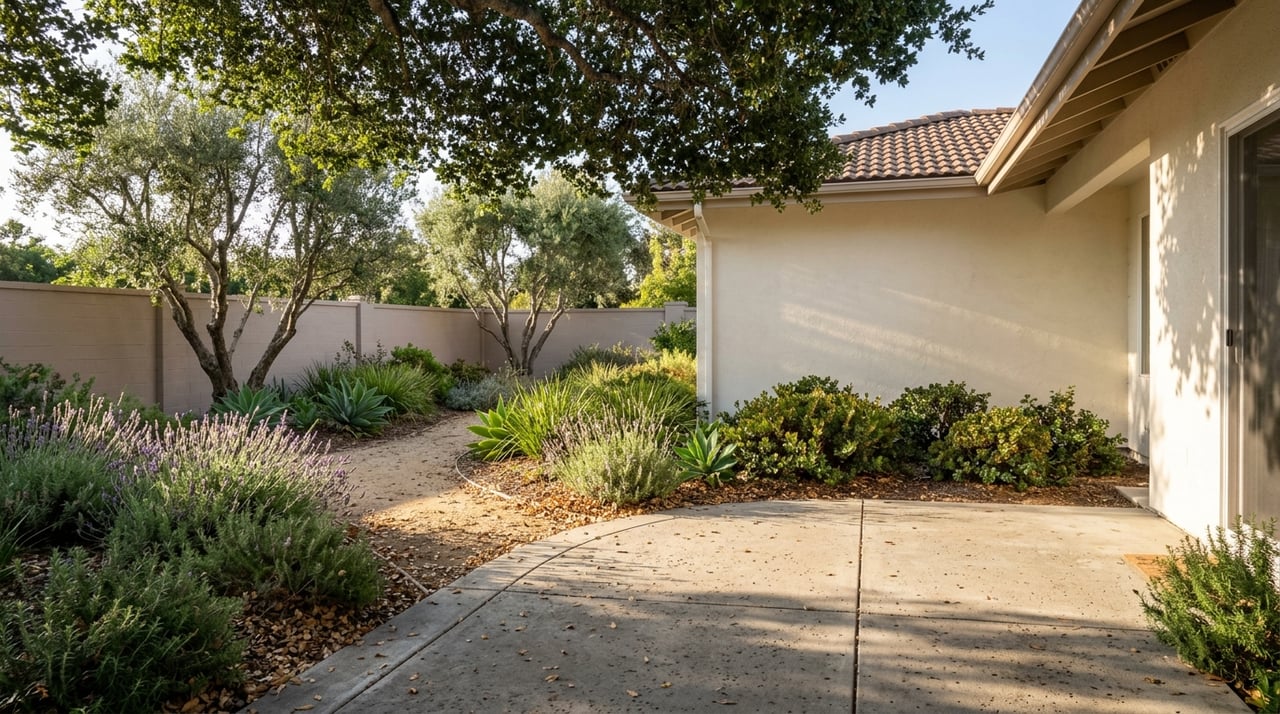
Rancho Cucamonga's expansive soils move seasonally, and the neighborhoods closer to the foothills sit on alluvial fans that concentrate runoff during winter storms. Scharf Inspections calls out soil movement as one of the region's core inspection concerns, alongside termite pressure. Elite Inspections documents property angle, surface water flow, and shrubbery placement specifically for water intrusion risk.
The findings that follow are almost always the same:
- Negative grade against the foundation where a planting bed has built up over the years
- Downspouts discharging within three feet of the slab
- Concrete flatwork settled toward the house rather than away from it
- Hairline slab cracks visible at the garage floor
None of these are automatically disqualifying. All of them appear in the report. Resolving grade issues before listing is inexpensive. Resolving them after a buyer's inspection means writing the check under time pressure.
The rule for pre-listing prep in a balanced market is simple: the item is only worth negotiating if you have not already fixed it. Every finding you resolve before the report is written is a finding that never becomes leverage.
The Attached Garage Systems Buyers Test
Inspectors run garage doors, verify the laser sensor, check the pedestrian door for a self-closing hinge and fire rating, and document any water heater strapping. Elite Inspections lists all of these in their standard scope. In a home built before the current California code cycle, the pedestrian door and the water heater strapping are the two items that most commonly fail. Both are inexpensive to correct. Both are conspicuous in a report.
The Sequence That Protects Sale Price
Preparation order matters more than preparation volume. A seller who spends $15,000 on staging and skips the roof certification has bought the wrong item first. The sequence that has held up across recent Rancho Cucamonga transactions:
- Order a pre-listing inspection from a full-scope firm. Scharf Inspections, Elite Inspections, and other InterNACHI-standard local inspectors work under the same protocols the buyer's inspector will use.
- Book a roof evaluation the same week. Ask specifically for a written certification with a term, not just a repair estimate.
- Walk the exterior for grading and drainage before landscaping is refreshed. Moving a downspout is $80. Regrading after a rejected inspection contingency is a different conversation.
- Correct the small mechanical items surfaced in the pre-listing report: door strike plates, GFCI outlets in wet locations, smoke and carbon monoxide alarms, water heater strapping. None of these are expensive. All of them show up in the buyer's report if you do not.
- Pull any needed permits through the city's online permit portal. Building & Safety runs next-day inspections Monday through Thursday between 8 a.m. and 5 p.m., which means a resealed water heater flue or a replaced electrical panel breaker can be permitted and signed off inside a listing window.
- Then stage. Photography and staging matter, and they matter after the mechanical story is clean.
Steps one through four are typically resolved for a fraction of the average post-inspection credit request in this price band. That is the arbitrage.
What Sellers Are Actually Required To Disclose
California's Transfer Disclosure Statement is a factual document, not a defensive one. If a defect existed, was corrected, and can be documented, the disclosure reads as a strength. If a defect existed, was not corrected, and shows up in the buyer's inspection, the disclosure reads as a problem the seller either missed or hid. Neither reading is good for the negotiation.
The practical implication for Rancho Cucamonga sellers: resolving the tile roof underlayment question, the drainage question, and the garage systems question before listing lets the disclosure package tell a coherent story. A recent roof certification and a paid drainage invoice are the strongest possible answers to "condition of the roof" and "any known water intrusion." They are also faster to produce than a buyer credit negotiation two weeks into escrow.
The 2026 Prep Gap, In One Sentence
The homes selling near list price in Rancho Cucamonga this summer are the homes whose inspection reports contain nothing a seasoned inspector would flag as urgent. That is not luck. It is sequencing, and the sequencing starts before the listing photos.
FAQ
Is a pre-listing inspection the same as the buyer's inspection?
Practically, yes. Local firms including Scharf Inspections and Elite Inspections work to the same InterNACHI Standards of Practice a buyer's inspector will use, which means the pre-listing report predicts the buyer's report closely. The value is in the head start on repairs, not in a different scope.
Should I replace a working tile roof before listing?
Almost never. A roof certification with targeted tile and flashing repair is the correct move in the substantial majority of Rancho Cucamonga homes. A full re-roof is a decision driven by underlayment age and specific findings, not by market anxiety.
What about permits for older repairs I did not pull at the time?
That is a case by case conversation and often a legal one. What is clear is that the city processes permits entirely online and offers next-day inspection scheduling, which shortens any correction window before a listing goes live.
How much of this matters if my home is priced aggressively?
More, not less. In a market where roughly a third of listings are cutting price, an aggressively priced home is competing for the buyers who are already most sensitive to repair credits. Clean inspection reports protect the entry price.
Preparing a Rancho Cucamonga home for a 2026 sale is a sequencing problem before it is a pricing problem. If you would like a walk-through of what your specific roof, drainage, and stucco condition means for your list price and net proceeds, Gregory Shipp and the team at Sentinel Real Estate & Investments will meet you at the property. Schedule a free consultation and we will build the prep sequence around your timeline, not the other way around.