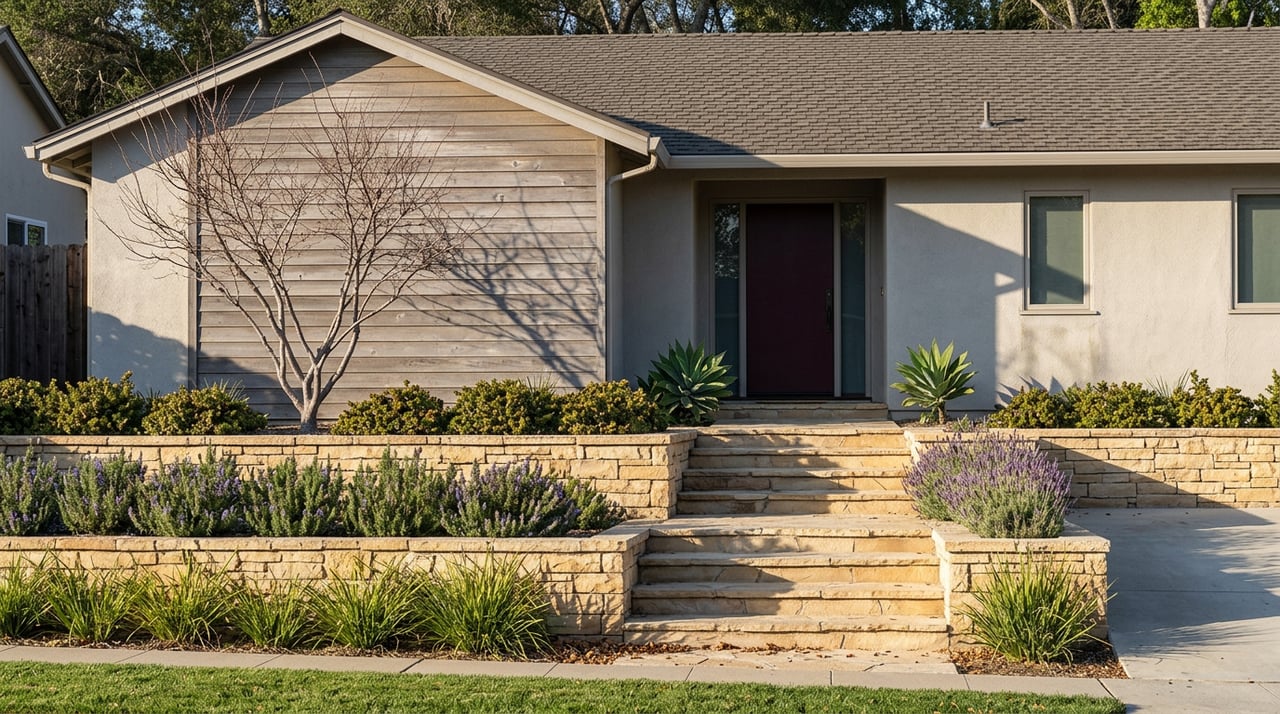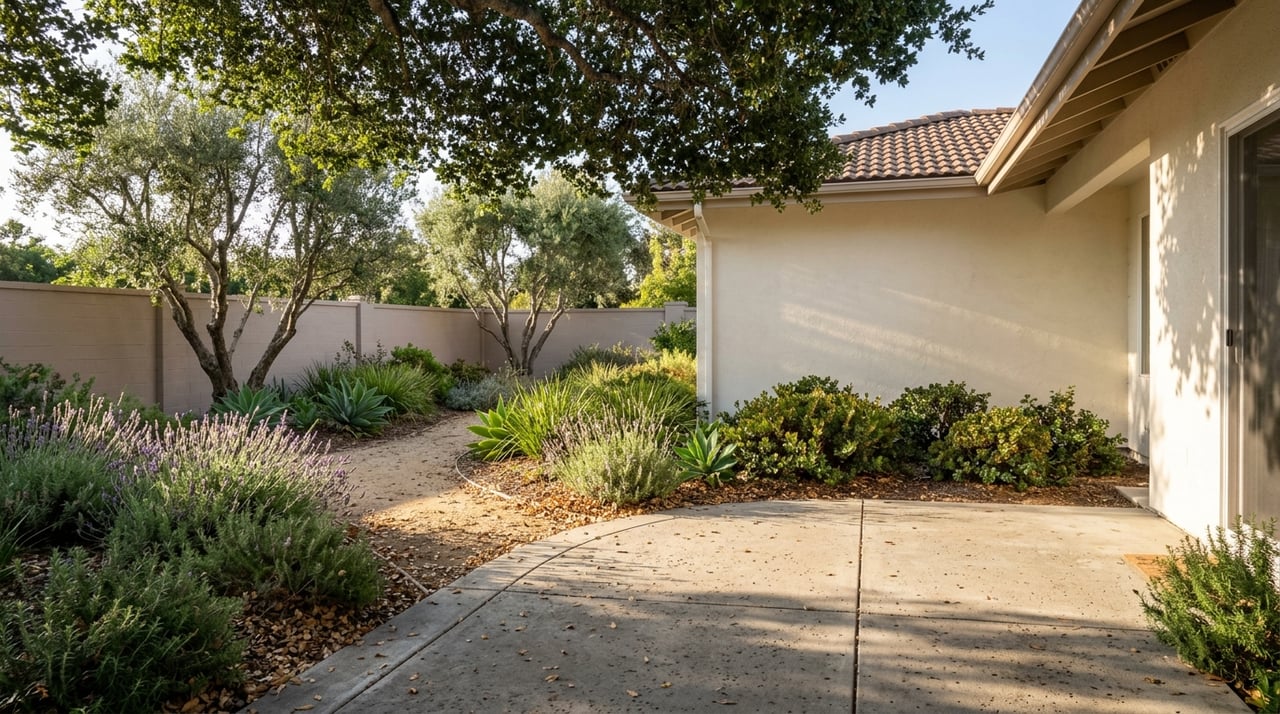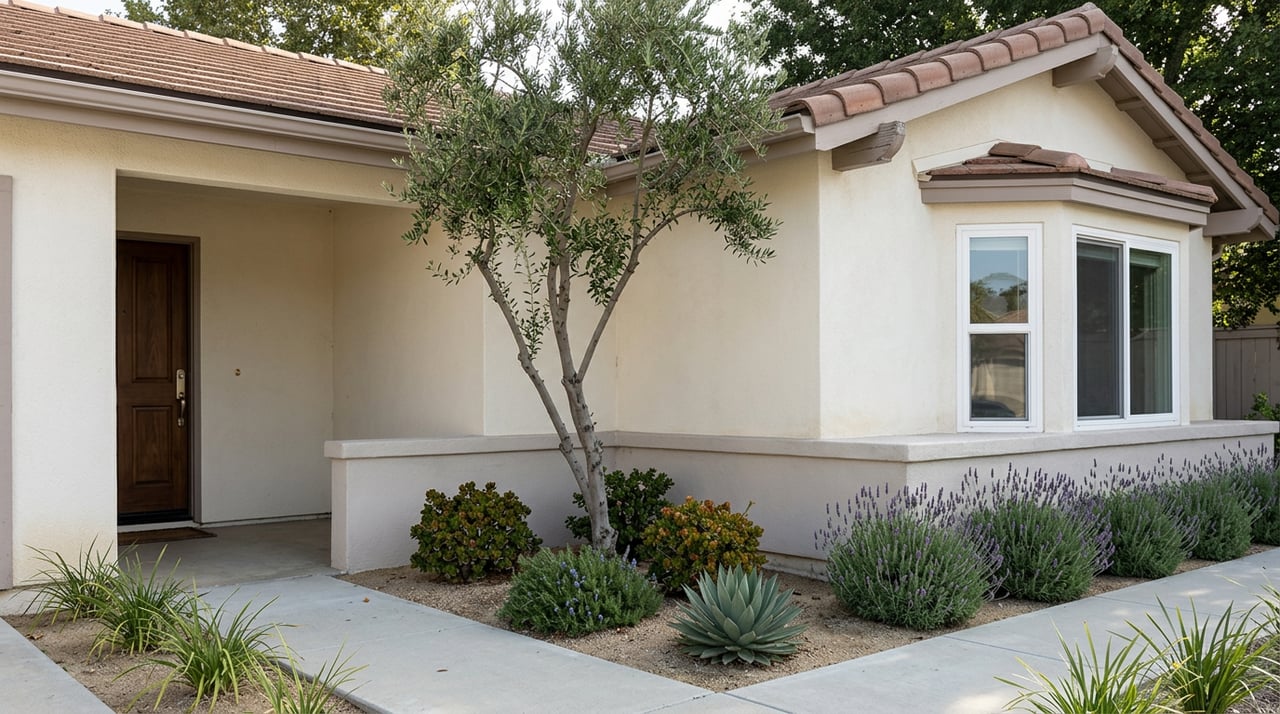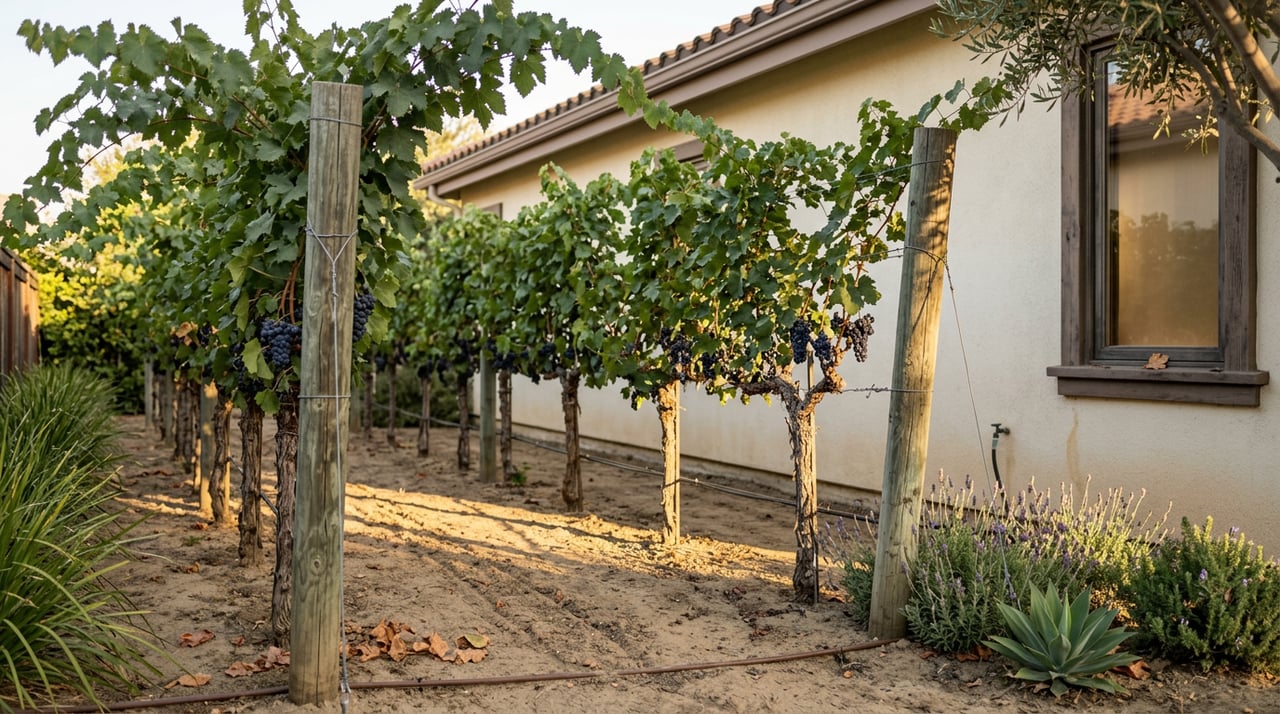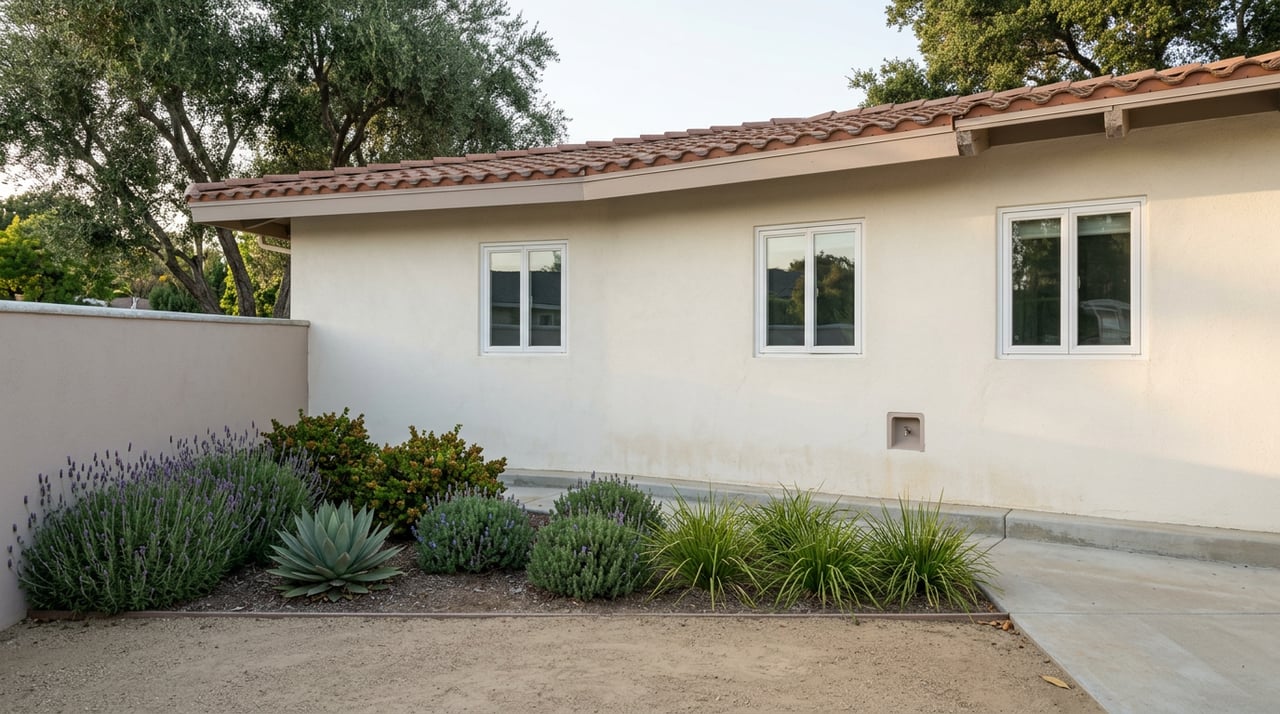
Buyers touring Alta Loma above Banyan tend to arrive with the same mental model: half-acre lot, rural feel, room for a horse or two. The listing description confirms it, the zoning map confirms it, and the neighborhood confirms it every time a rider clops past on a decomposed granite trail. Then the offer goes under contract, and the details start to move. A barn footprint that seemed obvious on the drive-through turns out to be seventy feet short of the neighbor's wall. A tract that reads "equestrian overlay" on the parcel report is governed by CC&Rs that quietly prohibit livestock. A trail easement runs across the back third of the lot with maintenance obligations the seller never mentioned.
The Alta Loma horse market is not one market. It is two markets sharing a median, and the softer 2026 numbers make the split more consequential, not less. Homes that are genuinely horse-legal, meaning the geometry works, the CC&Rs stay out of the way, and the trails connect, are supply-constrained inside a fixed boundary the city drew decades ago. Homes that are horse-zoned in name only are trading at similar prices with materially different utility. Knowing which one you are writing an offer on is the whole ballgame.
The Overlay's Fixed Footprint
The Equestrian (E) Overlay Zone is not an aspiration. It is a mapped boundary in Rancho Cucamonga's Development Code, Chapter 17.38, and it does not expand.
"The boundaries for the Equestrian Overlay Zone are Banyan Street from the west city boundary to Milliken Avenue, south to CA 210 to Interstate 15 to the east, and along the entire northern boundary of the sphere of influence."
Two parcels a block apart can sit on opposite sides of that line. The one inside can keep equine, bovine, and cleft-hoofed animals as of right, per the code's stated purpose of preserving a rural and farm character in an urban setting. The one outside cannot, no matter how similar it looks from the street. The overlay applies to the entirety of an individual parcel, and where the overlay rules and the base zone conflict, the overlay controls. Buyers should confirm the parcel-level designation on the official zoning map before assuming anything from the listing.
New inventory does occasionally arrive inside the boundary. A recent CEQA filing for the Studio Roca project, an eight-home infill at the terminus of Camellia Court on Tract 14644, sits inside the Very Low Residential zone with both the Hillside and Equestrian Overlays applied. That is the kind of pocket a buyer's agent should track, because supply inside the overlay footprint does not grow by annexation.
The Seventy-Foot Rule That Rewrites Half-Acre Math
The advertised density on Alta Loma horse property is one animal per 10,000 square feet of land. A half-acre lot pencils out to two horses. The math is clean until you overlay the setback: horse facilities must sit at least seventy feet from the adjacent owner's dwelling or livable area, garage space excluded.
That distance is measured off the neighbor's wall, not the property line, which means the buildable envelope for a barn depends entirely on where the neighboring house sits. On a shallow half-acre with a neighbor's family room pushed toward the shared fence, the seventy-foot cone can eliminate the entire rear third of the lot from consideration for stabling.
| Lot size | Density allowance | What the setback usually leaves you |
|---|---|---|
| 10,000 sq ft | 1 horse | Rarely enough clear envelope for a code-compliant barn |
| 20,000 sq ft | 2 horses | Workable if the neighbor's dwelling sits deep on their lot |
| 43,560 sq ft (1 acre) | 4 horses | Comfortable in most orientations |
A pre-offer site visit with a tape measure, or a quick call to the city's Planning Division at (909) 477-2750, is worth more than any listing photo. The overlay says yes. The geometry sometimes says no.
When the HOA Outranks the Overlay
The one paragraph most buyers skip in the CC&R packet is the paragraph that governs livestock. Rancho Cucamonga's zoning permits horses inside the E overlay unless a specific development records restrictions against them, and plenty of Alta Loma tracts have done exactly that. The overlay is a public right. The CC&R is a private contract that runs with the land, and it wins.
That is why a buyer can close on a property inside the equestrian overlay and still be prohibited from keeping a horse. It is also why the Alta Loma Riding Club has spent decades defending the overlay itself against rezoning pressure, because private restrictions on individual tracts are the slower, quieter way the horse footprint erodes. Before you assume a lot is horse-legal, read the CC&Rs for the words "livestock," "animals," and "accessory structures," and confirm with the HOA in writing.
Trail Easements Are a Line on the Deed
Alta Loma's community trail network is one of the reasons the overlay has value. It is also a set of easements that cross private lots, and easements come with maintenance obligations. The code requires new development to connect discontinuous trail segments and to provide for continuous maintenance, which in practice means the burden of keeping a trail passable can sit on the property owner whose lot it crosses.
Buyers should ask three questions on any parcel with a trail on it:
- Where does the easement run, and how wide is it?
- What is the recorded maintenance responsibility?
- Does the easement connect to the Heritage Community Park system or dead-end at a fence?
Connectivity to Heritage Park matters more in 2026 than it did in 2024. The city's Demens Creek bridge project, running from June 2025 through April 2026, replaced the aging vehicular, pedestrian, and equestrian bridges that carry riders across the channel to the equestrian arenas. The result is that trail-adjacent parcels in the overlay now reach a functioning arena complex again, which the Alta Loma Riding Club manages at 5546 Beryl Street with day-use and weekend rental rates for shows and clinics.
The Northern Edge, Sewer, and Septic Disclosure
Almost all of Alta Loma is on Cucamonga Valley Water District sewer. The exception is the small band of unincorporated foothill parcels near the sphere-of-influence line at the north end of the overlay, where a handful of homes are still on private onsite wastewater treatment systems. San Bernardino County administers the Local Agency Management Program the State Water Resources Control Board has approved for those systems.
For a buyer targeting a parcel on that edge, three disclosure realities matter. First, California Civil Code Section 1102 and the standard Seller Property Questionnaire require the seller to disclose known septic conditions, easements, and wells. Failure to disclose a known defect is grounds for post-closing claims, and courts have consistently treated septic condition as a material fact. Second, FHA and VA financing typically require septic inspection as a condition of loan approval, and a full inspection with pumping generally runs in the mid-hundreds to low-thousands depending on scope. Third, and this is the part specific to horse property, a barn wash rack or manure area cannot legally drain into the residential septic in most cases. A separate manure management area with county approval may be required, and irregular drainage is exactly the sort of finding that becomes an escrow credit request late in the deal.
What the 2026 Median Hides
The headline numbers on Alta Loma look soft. Redfin recorded a January 2026 median sale price near $928,000, down about 3.7% year over year, with days on market stretching from 45 to 57. Movoto's June 2026 list-side view puts the median around $974,000 and days on market closer to 103. The California Association of Realtors put the June 2026 statewide median at $904,640, with 30-year fixed mortgage rates hovering in the mid-6% range through late July.
Read straight, those numbers suggest a broadly slower market with room to negotiate. Read against the overlay map, they suggest something more specific. Overlay-compliant lots with workable barn geometry, clean CC&Rs, and connected trail access are a bounded supply inside a boundary the city is not going to redraw. Overlay-eligible lots that fail one of those three tests are indistinguishable at the median but materially different at resale. In a slower market, the discount for the second category grows. In a slower market, buyer leverage on the first category grows too, because sellers are seeing longer marketing timelines on the same parcels that used to move in a week.
Which is to say: the softer 2026 backdrop is a better time to buy Alta Loma horse property than the 2022 peak was, but only if you know which of the two Alta Lomas you are buying into.
Questions Buyers Ask Before Writing an Offer
How do I confirm a lot is inside the overlay?
Pull the parcel on Rancho Cucamonga's official zoning map and look for the "E" reference letter alongside the base zone. Confirm with the Planning Division.
Does the overlay guarantee I can build a barn?
No. It permits animal keeping subject to Chapter 17.38 standards, including the seventy-foot setback from a neighbor's dwelling. Geometry decides what actually fits.
If a CC&R restricts horses, can I get relief?
Usually only through the HOA's amendment process, which is slow and rarely successful. Treat the CC&R as controlling.
Are new equestrian-overlay homes still being built?
Occasionally. Small infill projects like Studio Roca on Camellia Court have moved through recent CEQA filings, but the overlay footprint itself is fixed.
What should I ask about trails during due diligence?
Location and width of any easement on the parcel, the recorded maintenance responsibility, and whether the trail connects to the Heritage Park system.
If you are weighing an offer on an Alta Loma horse property this summer, the map is not the whole answer and the median is not the whole answer. Gregory Shipp has walked these parcels since 1988, and a short conversation before you write the offer usually saves the larger conversation during escrow. Schedule a free consultation and bring the address.