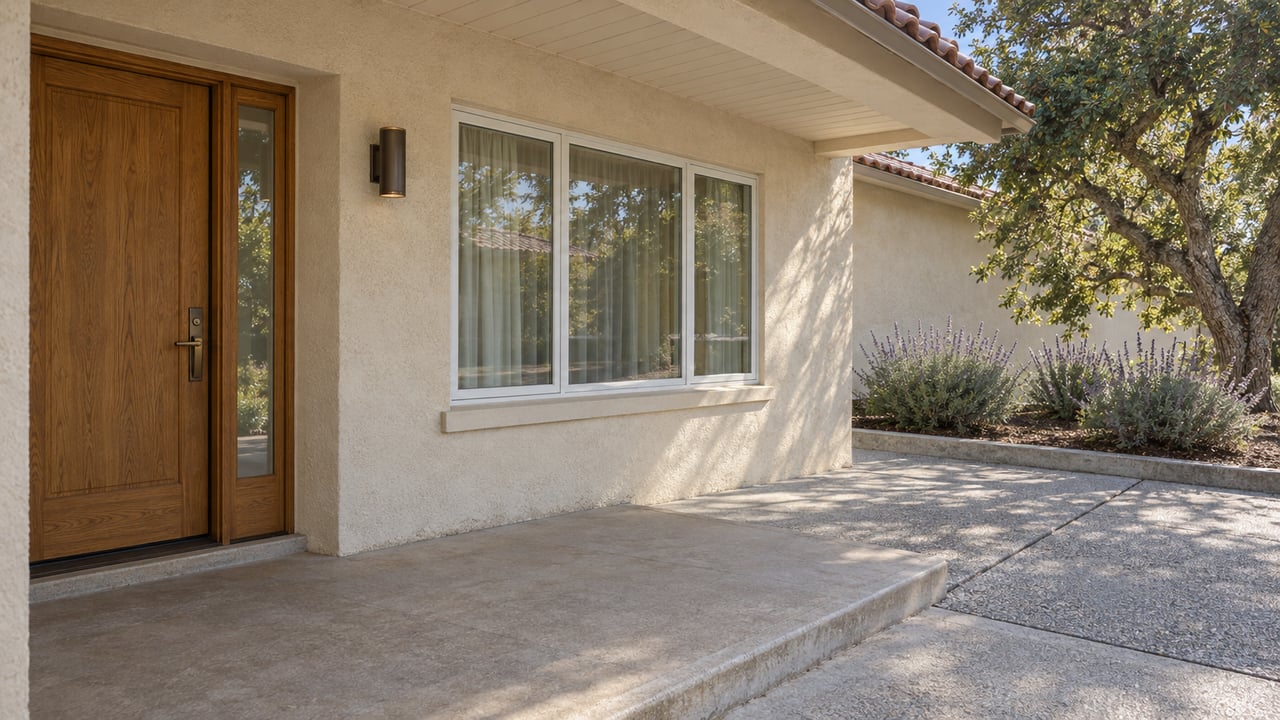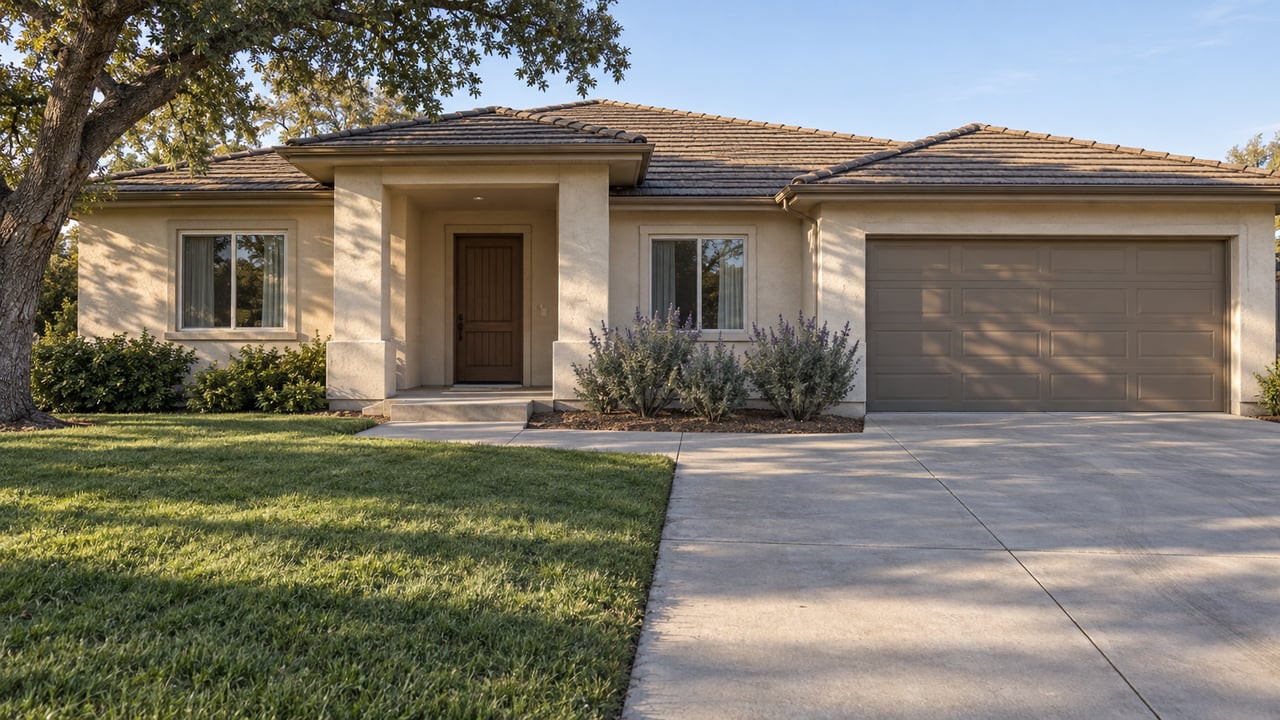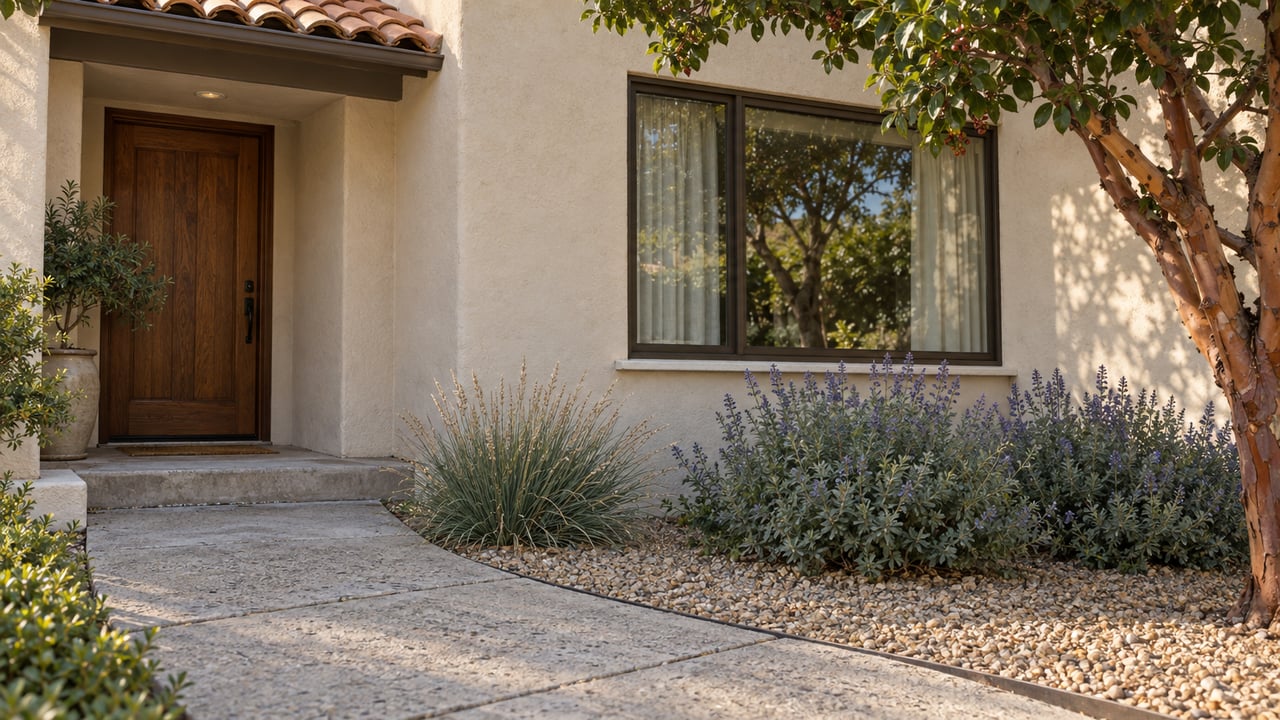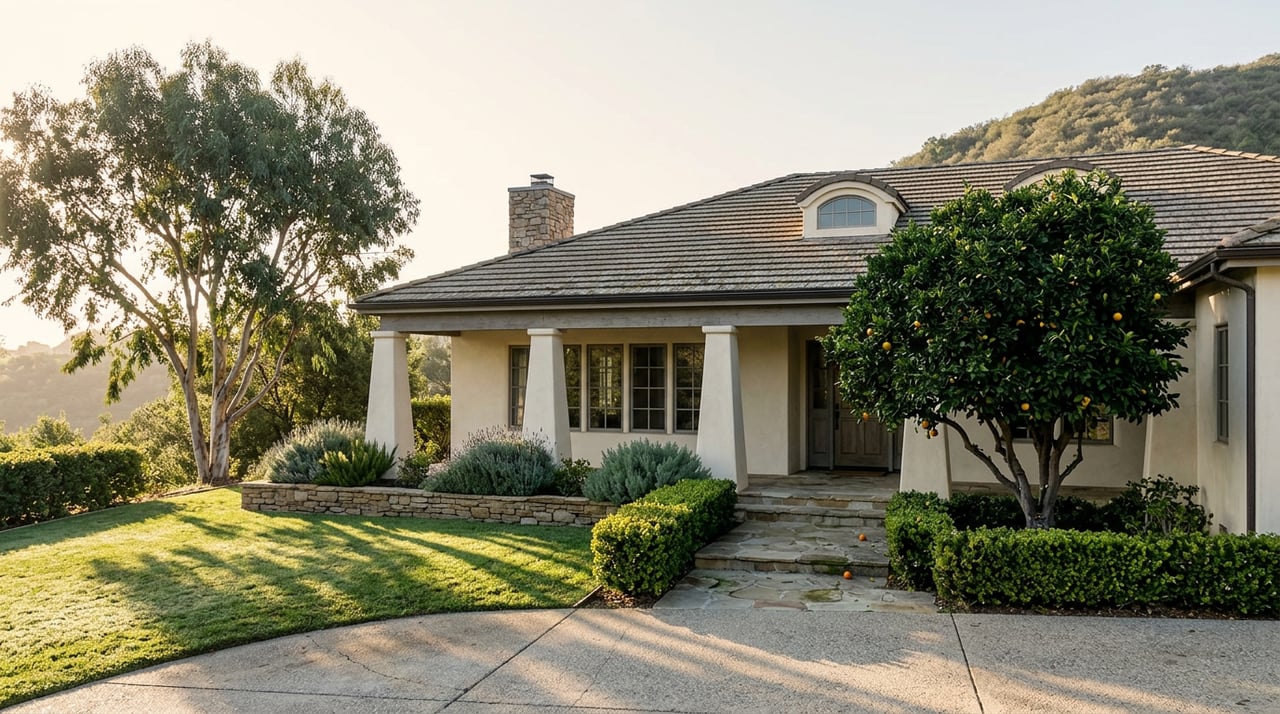
At the northwest corner of Hillside Road and Archibald Avenue sits a house built around 1890 by Peter Demens, a relative of the Tolstoy family who went on to help found St. Petersburg, Florida. For more than a century it stood ringed by groves of lemon and eucalyptus, the last few acres of that kind left in the area, until developers finally built new homes around it in 2005. The lemon trees are mostly gone now. The house is not.
A buyer touring that property today, or one of the handful of other century-old homes scattered through Alta Loma's hillside grid, usually hears the history from the listing agent. The property is also subject to requirements in Rancho Cucamonga's Development Code. Those requirements apply regardless of who owns it, appear in title, and can affect renovation plans before work begins.
A Longer List Than the Maloof House
Alta Loma's most famous landmark is probably the Sam Maloof Historic Residence on Carnelian Street, the craftsman-style home and studio of the woodworker whose furniture sits in the Smithsonian. It is a museum now, run by his foundation, and it is the one most people can name.
It is not the only one. The Cherbak House at 9983 Hillside dates to around 1921. The Schowalter House on Hermosa Street goes back to about 1913. The Thorpe House on Wilson Avenue was built around 1916. The Henry Albert Building at 7136 Amethyst Street once served as the Alta Loma post office and now holds a records shop. Alta Loma School itself, at 9480 19th Street, carries a designation dating to around 1921.
Most of these sit in the same older hillside blocks above Banyan Street where citrus groves and grape vineyards once covered the land, the same blocks where orange and lemon trees still show up in yards and horse trails still run under eucalyptus that was originally planted as a windbreak for the groves. The point is not that Alta Loma is full of museums. It is that a real, adopted registry of these properties exists, and a buyer who falls for one of them is buying into more than square footage.
The Rule That Follows the Deed
Rancho Cucamonga's Development Code spells out the requirements for a landmark designation. Under Chapter 17.18, no one may alter, restore, rehabilitate, construct on, remove, relocate, or demolish a designated historic landmark or a contributing resource in a historic district without the city first issuing a Certificate of Appropriateness.
That requirement is not limited to work that would need a standard building permit anyway. The city's own checklist makes clear that some exterior changes need approval even when no building permit would otherwise be required, because the standard being protected is the look of the resource, not just its structural soundness. A buyer planning to swap out a chimney, resurface a driveway visible from the street, or add a fence in a different material can trigger city review, with the applicable path depending on the work.
Two Review Paths for Landmark Changes
Not every change requires a public hearing; the review path depends on the type of work proposed.
The city's Planning Director can approve certain alterations directly, without sending the application to the full commission. According to Rancho Cucamonga's own Certificate of Appropriateness checklist, that administrative track covers:
- Repair or replacement of deteriorated materials using the same kind, type, and texture already in use, for roofs, windows, siding, chimneys and fireplaces, accessory structures, or fencing
- Adding or removing awnings, shutters, canopies, and similar incidental features
Anything larger than that moves to the Historic Preservation Commission itself, which is required to hold a public hearing before granting a landmark alteration permit. If the commission denies the application, the decision can be appealed to the City Council, but only within ten days.
Review requirements can affect a renovation schedule, so buyers may want to understand the applicable process when planning work.
When Economic Hardship May Apply
The code also provides an economic-hardship process for eligible owners. If denying a Certificate of Appropriateness would leave the owner with no substantial value in the property, or if holding onto it under the restriction simply is not financially workable, the owner can apply for a Certificate of Economic Hardship.
This provision exists precisely because the underlying restriction is real enough to occasionally collide with basic economics. The provision has specific criteria and may not apply to every owner or project.
Mills Act on the City's Permit Checklist
The restriction is not the whole story. Rancho Cucamonga's own permit checklist lists Mills Act right alongside Certificate of Appropriateness and Landmark Alteration Permit as an available application type, which confirms the program is active locally rather than just a line in state law.
Why This Matters Before You Write an Offer Above Banyan
These requirements may not be apparent from a plaque on the front lawn. Buyers should verify a property's designation before making plans.
If you are looking at a home in Alta Loma's older hillside blocks, particularly one on a larger lot with mature citrus or eucalyptus that hints at the land's original use, it is worth a direct question before your inspection period closes: does this specific address appear on the city's adopted historic resources list. That single question tells you whether a proposed change needs city review; if it does, the work determines whether it can be handled administratively or requires a public hearing.
A Question Worth Asking
How do I find out if a specific address carries the designation? Check with the city before you write an offer rather than after.
Alta Loma's landmark homes are some of the most interesting properties in the Inland Empire to sell or buy, and buyers and sellers should understand the applicable review requirements. If you are weighing one of them, whether from the seller's side or the buyer's, Gregory Shipp has spent decades pricing and preparing homes across this exact stretch of foothill communities. Schedule Free Consultation while you are evaluating the property, before writing an offer or setting renovation plans.
This article is general information, not legal, tax or financial advice. Consult a qualified professional about your situation.